sales06@switek.biz

+86 186 5927 5869

Shopping

Subscrib to Us
sales06@switek.biz
+86 186 5927 5869
Shopping
Subscrib to Us

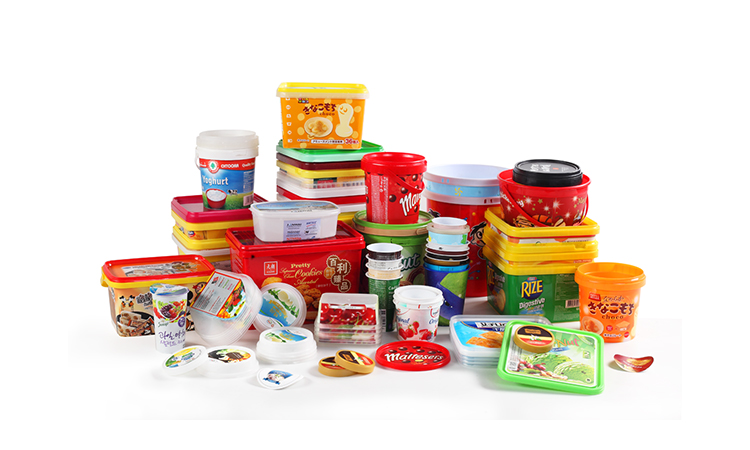
An IML label is a specially designed label made from the same manterial of the IML parts to be inserted into the mold and injected as a uniformed IML containers. By now the most widely used IML labels are IML labels for PP containers, which is the universal material for IML containers from the small size IML Yogurt cups to the large size containers like 20L paint buckets.
The Structure of the IML Labels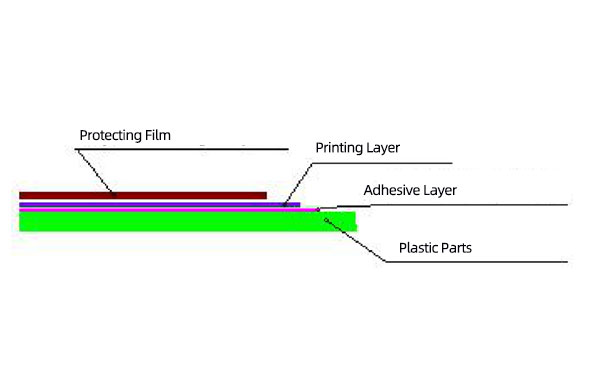
3 Layers IML Labels
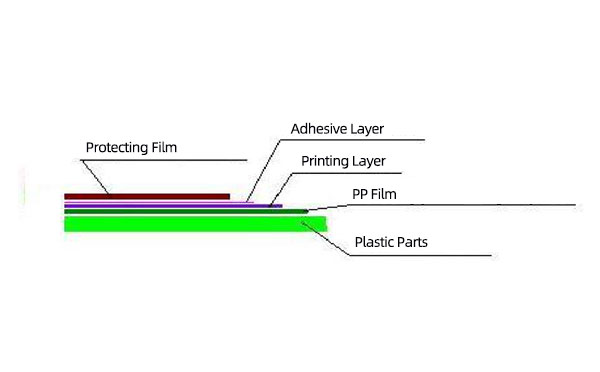
4 Layers IML Labels
Above are the two basic structure of the IML labels which you can see how is it different from the other labels. Generally an IML label is laminated of 3~4 layers structure which will have a PP film or adhersive layer to laminate the label and the plastic parts to make it a uniformed parts; a printing layer where the pattern of the container is printed; and a protecting film on the top of the printing layer to protect the pattern from been damaged.
How Many Different Types of IML Lables Are There Available in the Market?With the advancement of the IML technology, new materials and technologies are introduced into the production of the IML label. In China the IML label producers will supply a varieties of IML label products according to the design of and budget of the parts which will include:
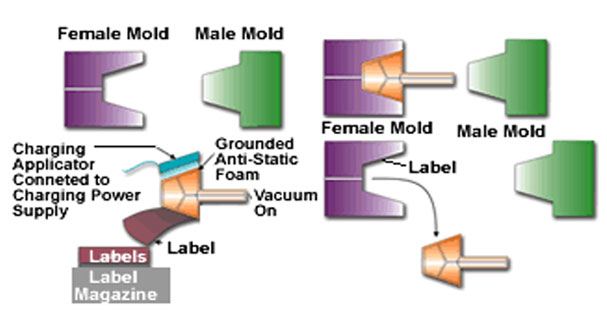
The static charger is now a standard unit in about 99% of the IML system. For example, all the SWITEK SW8 series of high performance IML robot will have a SIMCO ION static charger installed. After the label picked from the magazine of the IML system and wrapped on the mandrel with vacuum, the static charger will have the IML label static charged after approaching the mold cavity by a static voltage 1~20kv, and the IML label would be sticked to the mold cavities after the vacuum released and be prepared for IML injection molding.
In summary, the particularity of the IML label is it's a label of plastic, the IML labe can be static charged, the IML label is made from different layers and the IML label is suitable for injection molding to be melted as a uniformed parts of the containers.
4 Cavities Pipe Strap In Mold Insertion Injection Automation
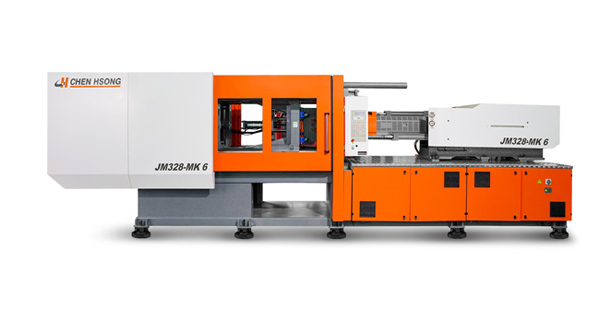
JM258-MK6 -- Chenhsong High Precision Hydraulic Servo Injection Molding Machine
| No. | Name | Value |
|---|---|---|
| 1 | Clamping Force | 2580 kN |
| 2 | Shot Weight | 669 g |
| 3 | Shot Speed | 287 mm/s |
| 4 | Screw Diameter | 60 mm |
| 5 | Opening Stroke | 560 mm |
| 6 | Space Between Tie Bars | 580 x 580 mm |
| 7 | Mold Thickness (Min) | 190 mm |
| 8 | Mold Thickness (Max) | 580 mm |
| 9 | Pumper Motor | 30 kW |
| 10 | Heating Capacity | 16.6 kW |
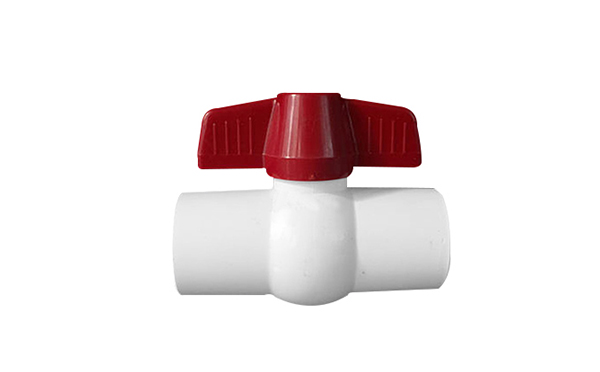
PVC/PPR ball valve is a very important pipe fittings in the drainage system in control of the water flow. But the injection production of a ball valve it'll need to insert the core of the valve with the sealing ring into the mold. The in mold insertion of the spare parts would be done manually which the cost is increasing with the getting higher labour cost and difficult to increase the productivity. That's why LESSO group invited SWITEK Automation to develop a series of pipe fittings auto-production solutions, among which include the Ball Valve Core Insertion System.
Designated to design an economic but efficient automation solution of ball valve injection production, the SWITEK 4 cavities ball valve in mold insertion solutions include the following functions:
For detailed cofiguration of SWITEK ball valve injection automation system please contact Adams of SWITEK to get a turn-key automation solutions of PVC/PPR ball valve production.